About
How I got to where I am
It wasn't always clear to me how my interests and skills could come together into a job. I loved being creative, had an analytical mind that loved finding patterns, and had a deep interest in why people behave the way they do. So I studied design at UNSW and took a course in psychology. Not because I had a plan, but because I was drawn to them.
My early career was in graphic and UI design. I taught myself coding, brand strategy and marketing because the best digital products needed more than visual craft. But I wasn't getting to work on real problems with real people. I wanted to use what I understood about human behaviour to make things genuinely easier, not just more persuasive.
So I pivoted to UX: a discipline where I could research how people behave, find patterns in data, and consider wider business operations to deliver better products.
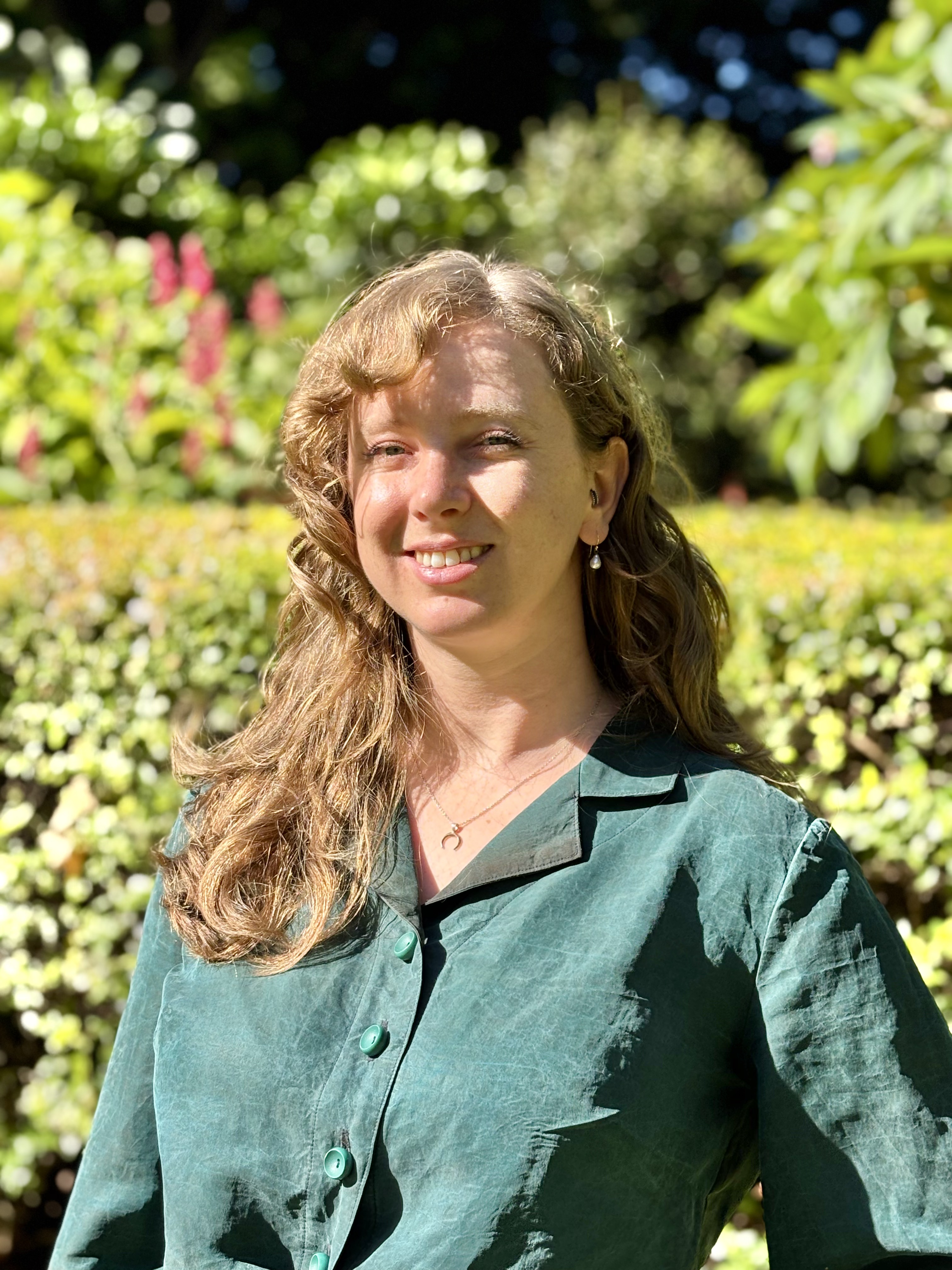
What sets me apart
I look for the problem behind the problem. On the dashboard project I was hired to improve a UI. Research told us the problem was a broken workflow. I went further: identified a development bottleneck that would have limited growth at scale. On the research project, the brief was to validate a product concept. Research showed it wouldn't work and led to something better.
I combine a design background rooted in aesthetics with a focus on evidence from research and business needs. I want to build products that work: an optimised experience and delivery strategy with decisions based on data.
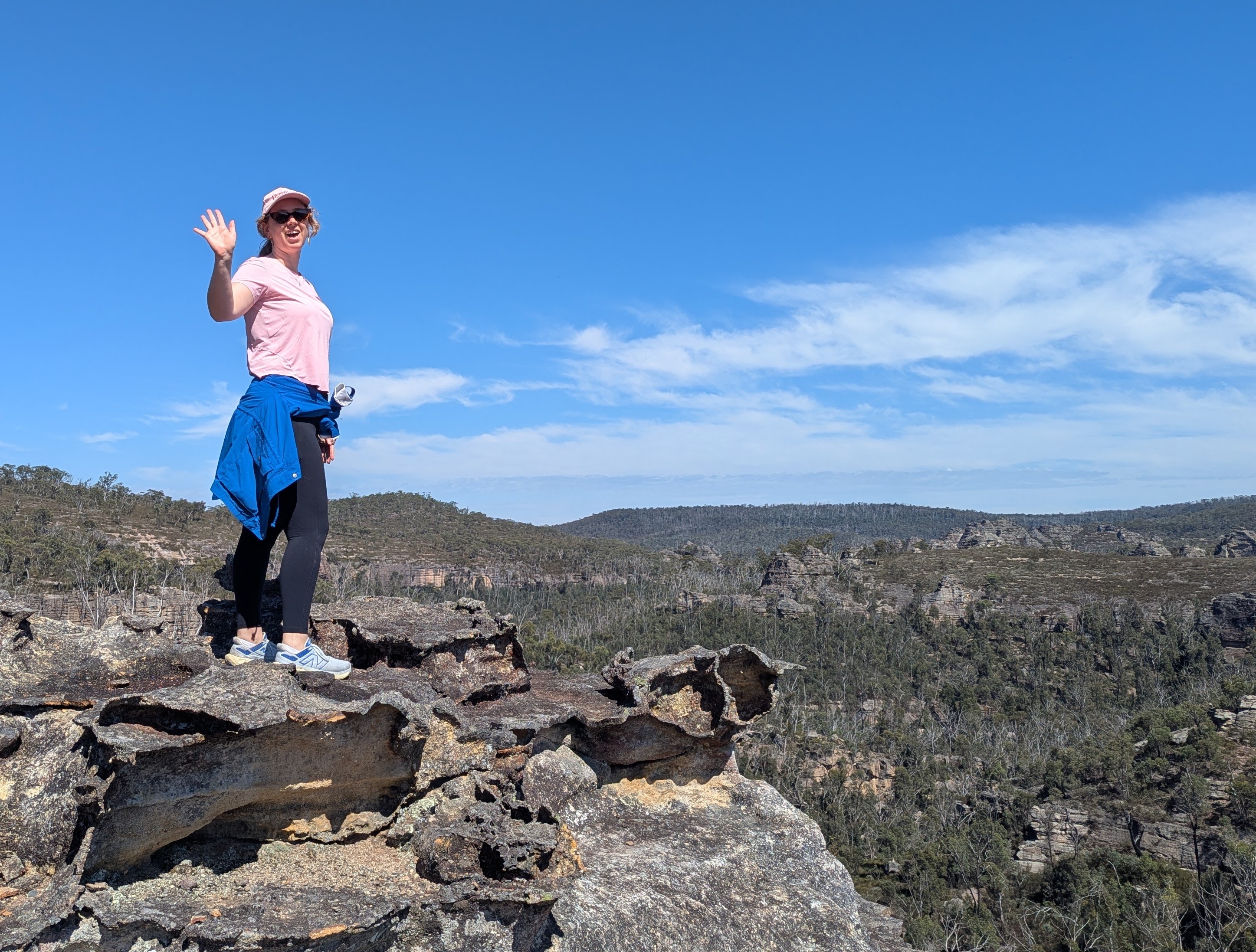 On a hike in the Blue Mountains
Building the practice
Accessibility is important to me. Designing for the average person excludes everyone else. During the Protect Our Winters project, I worked alongside a Scottish Government specialist in WCAG auditing who taught me his methods. At the end of the project he approached me about a role, but I had already accepted the contract with Moody's.
It was also around this time I formalised my approach to workshop facilitation. Most teams already have the knowledge to solve their problems: they just need the right structure to surface it and make decisions faster. That has shaped how I've worked ever since.
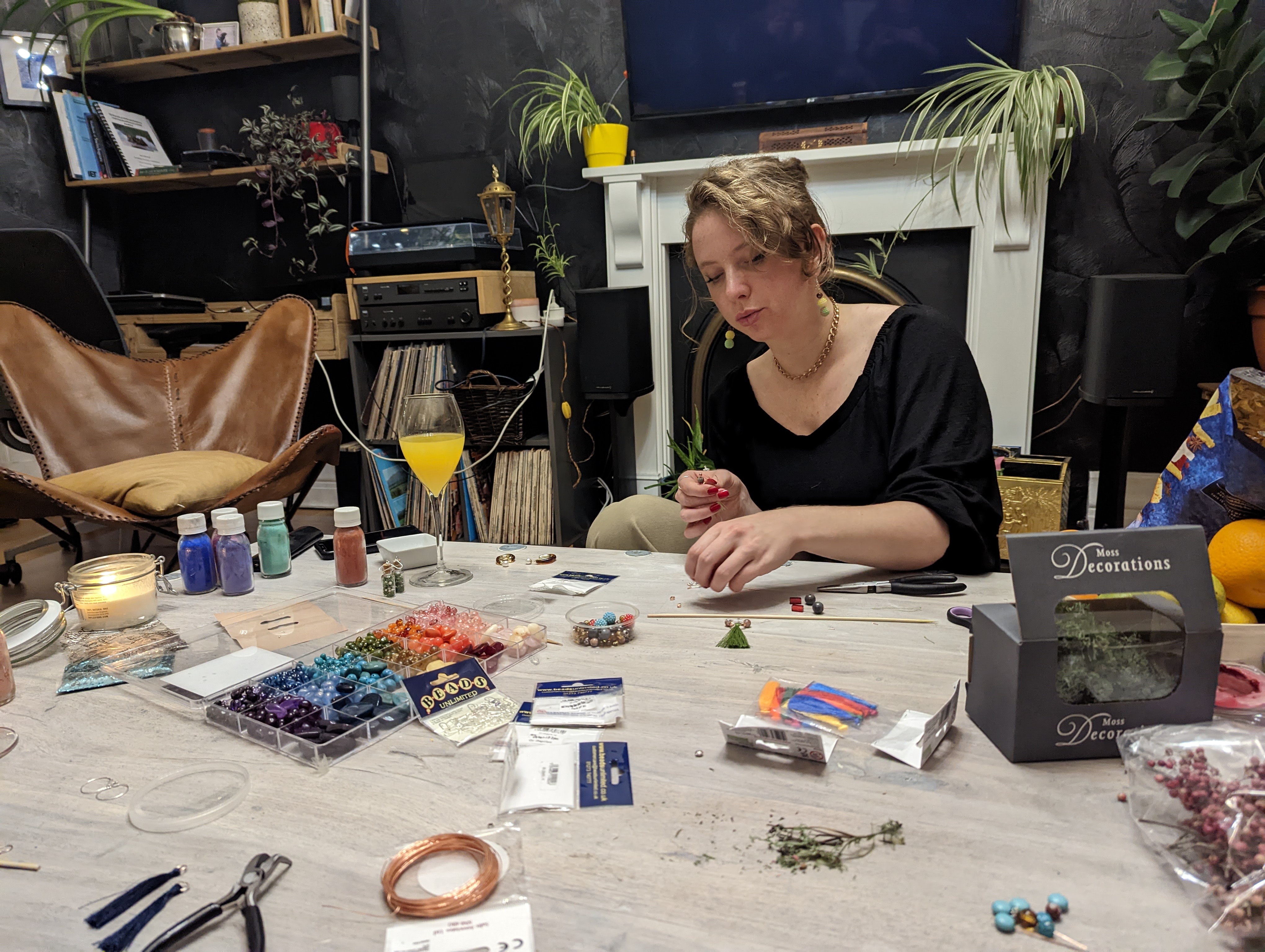 Freya crafting in her natural habitat
Four years at Moody's
Moody's was where everything came together. I designed B2B financial products for pension fund managers and financial consultants. A platform serving 1,800+ pension plans with £550bn+ in assets. Products where a misread data point has huge financial consequences.
- Identified that the team had no analytics or feedback loop in place. I researched, selected, and configured Heap and WalkMe within Moody's security requirements and pushed to get them implemented.
- Ran alignment, research and ideation workshops. The largest scaled a 10-person format to 160+ participants in 90% less time. I also developed a standalone adoption planning template so product teams could run the process independently, ahead of a major market launch.
- Challenged assumptions, even those of senior stakeholders, whenever evidence pointed a different way. I believe real data is the most effective path to solutions that solve real problems.
My role was made redundant in a company restructure. My manager wrote to leadership to try to retain me and estimated 24 months to train a comparable replacement.
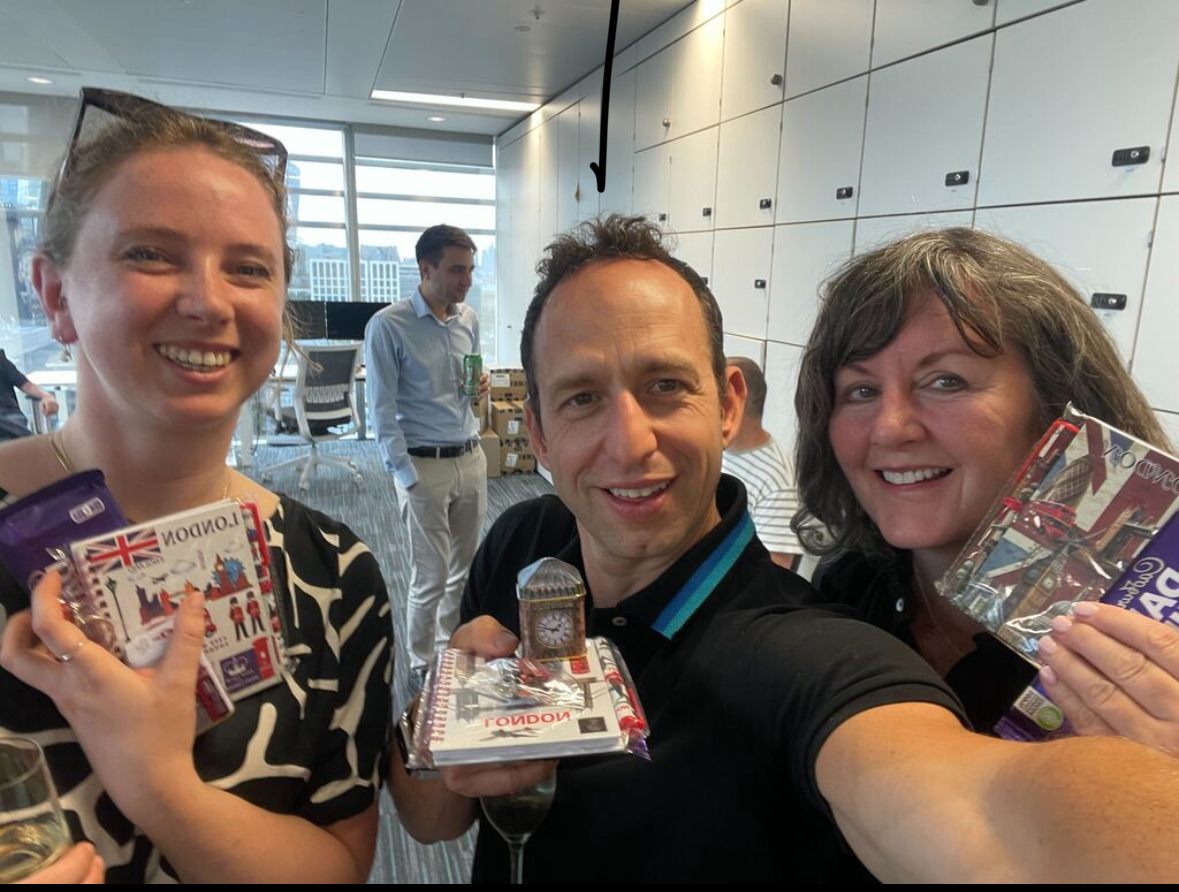

What I'm looking for
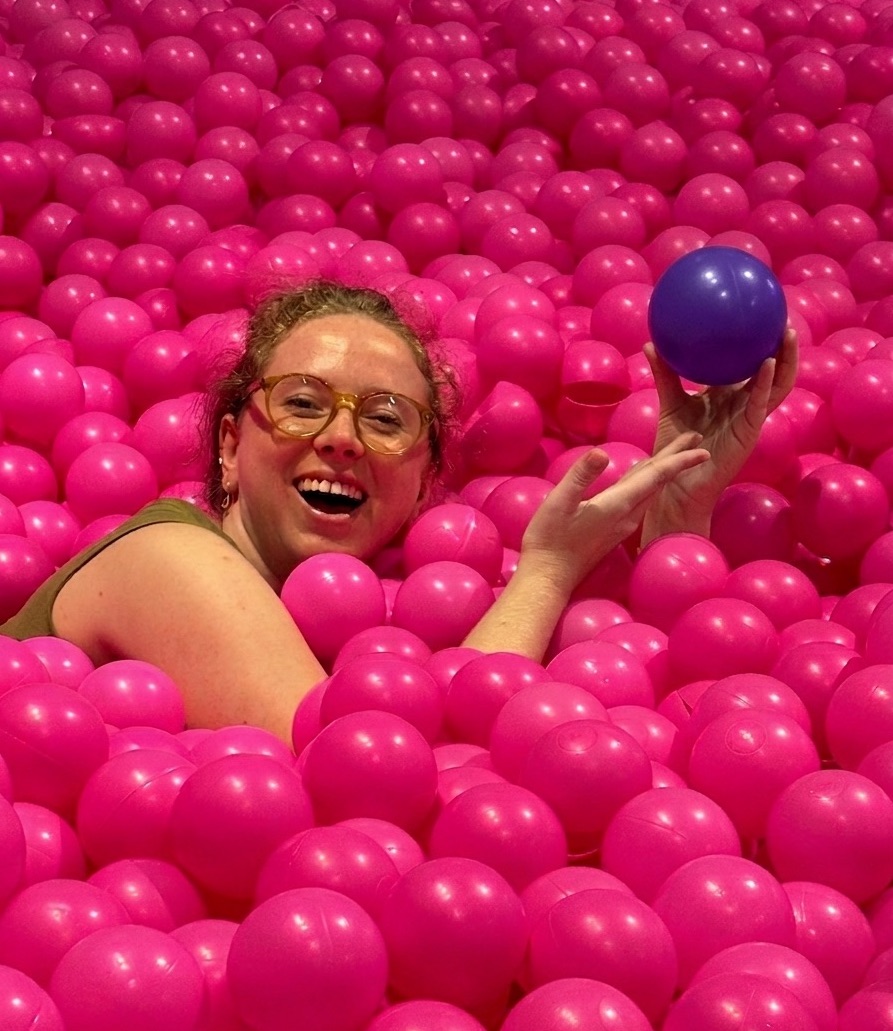
Product Designer or UX/UI Designer roles in Sydney, hybrid preferred. I'm drawn to financial services, digital banking, government, and organisations that serve communities. Anywhere design has genuine influence and the work makes a measurable difference to real people.
 What I'm looking for
What I deliver
Product Design
- End-to-end design from concept to high-fidelity UI, design systems, and developer handover
- Specialist experience in complex, data-heavy B2B interfaces
UX Research
- End-to-end research across multiple projects: planning, facilitation, synthesis, stakeholder presentation
- Methods spanning user interviews, usability testing, accessibility audits, concept validation, and heuristic evaluation
- Consistent track record of using research to challenge assumptions and redirect product direction
Workshop Design and Facilitation
- Sessions that help teams align and decide faster, from 10 to 160+ people
- Developed workshop templates teams can run independently without a facilitator
Analytics and Feedback Loops
- Identified missing analytics infrastructure and pushed to implement it
- Configured Heap, WalkMe, and Datadog
Adoption Strategy
- Developed structured planning frameworks so teams can think through adoption without requiring a specialist
- Built an adoption planning template ahead of a major market launch, enabling product teams to run the process independently